In one of the most ambitious demonstrations of electric mobility in the Himalayas, a VOITH-led team completed Nepal's first long-distance EV journey, from Kathmandu all the way to Kailash Manasarovar. The expedition proved that electric vehicles are ready not just for city streets, but for the most demanding terrain on earth.
A journey across the roof of the world
The route climbed from the Kathmandu valley through high mountain passes and remote border crossings before reaching the sacred Mount Kailash and Lake Manasarovar. Every kilometre tested range, charging logistics, and the resilience of both machines and team.
The expedition set out to answer a simple but powerful question:
If an electric vehicle can reach Kailash, it can go anywhere in Nepal.
Engineering against the elements
High altitude, thin air, freezing temperatures, and sparse infrastructure make the Himalayas an uncompromising proving ground. The team planned meticulously around:
- Energy management, optimising range across long climbs and descents
- Charging strategy, coordinating stops where grid access is limited
- Cold-weather performance, maintaining battery health at altitude
Each challenge overcome became evidence that clean mobility belongs in Nepal's mountains, not just its cities.
Why this milestone matters
The Kathmandu-to-Kailash journey was a statement of intent. It showed policymakers, partners, and the public that:
- Electric vehicles can handle Nepal's most extreme conditions
- A nationwide EV future is technically achievable, not aspirational
- Investment in charging infrastructure unlocks travel once thought impossible
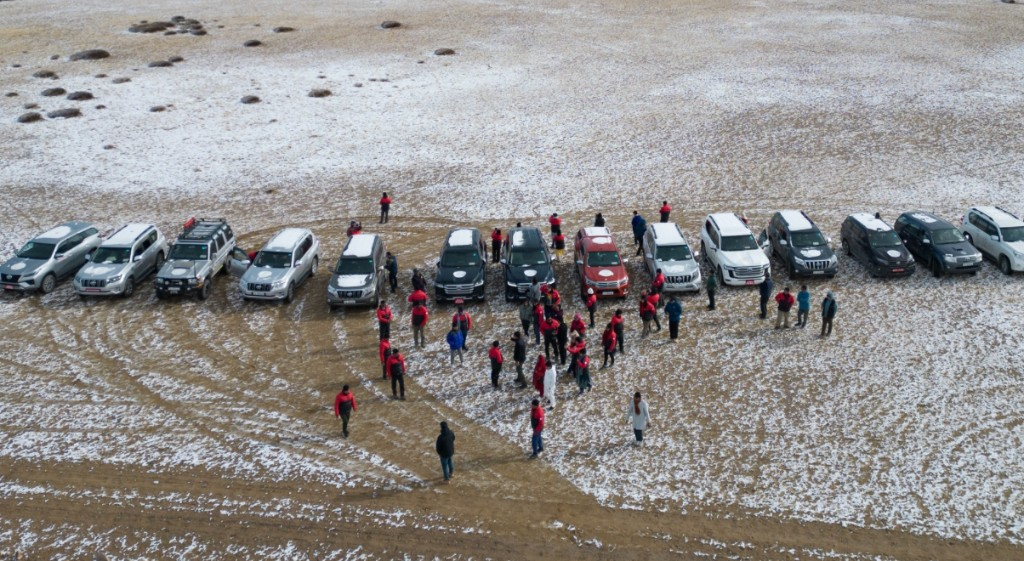
By taking electric mobility to the foot of a sacred Himalayan peak, VOITH connected cutting-edge technology with a journey of meaning, and redrew the map of what's possible for clean transport in Nepal.